The UK mainline network had 2,581 stations as at the end of 2023. Last year saw the opening of seven stations: Reading Green Park; Marsh Barton near Exeter; Thanet Parkway; Portaway Park and Ride near Bristol; Headbolt Lane on Merseyrail; Brent Cross West; and East Linton in Scotland.
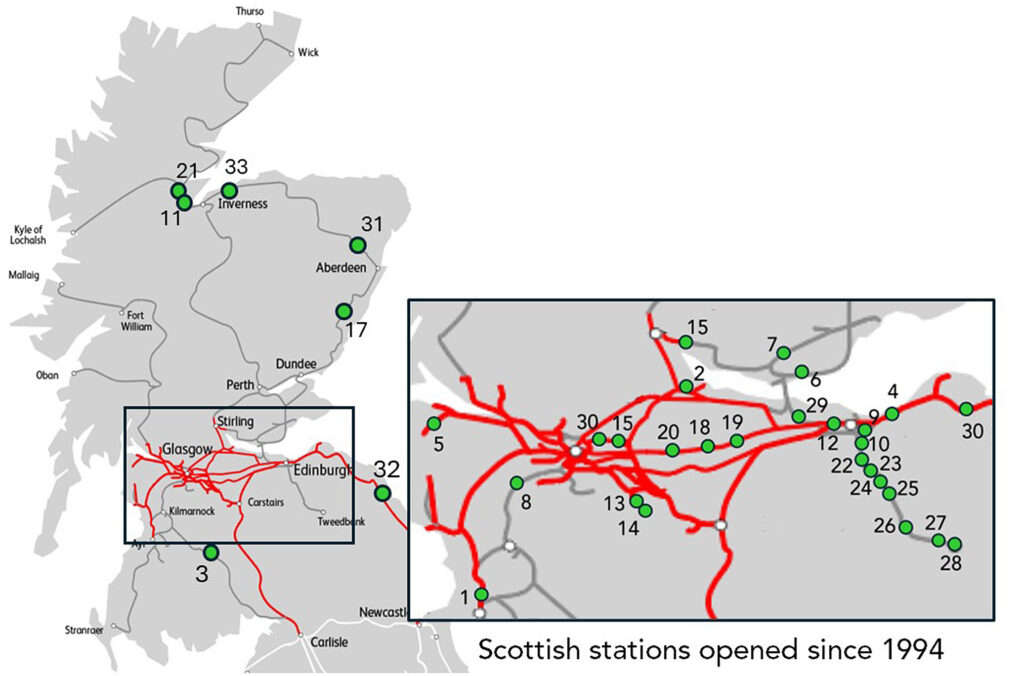
Since rail privatisation in 1994, 123 new UK mainline stations have been opened. Of these, 34 are in Scotland which comprises about 10% of the network. One reason why a higher percentage of new stations are opened in Scotland is that 13 of them are on newly opened rail lines. These are those shaded in the table. A further two stations will be opened when the Levenmouth branch is re-opened later this year.
When it opened in 2015, the 35-mile-long Borders Railway was the UK’s longest new domestic railway to be built for over 100 years. Prior to this, the Scottish Borders was the only mainland region of Great Britain without a railway station. It now has four, three as a result of the Borders Railway and Reston station which opened in May 2022.
With the seven new stations provided by the Borders Railway, a total of 20 new stations within commuting distance of Edinburgh have opened over the past 30 years.
As shown on the map, new station openings are not limited to the Scottish central belt with, for example, Inverness and Aberdeen having respectively three and two new stations within their catchment area.
Credit: Network Rail
East Linton
Between 1999 and 2013, no less than seven reports were produced considering new rail services in East Lothian and the eastern Scottish Borders. The last report noted that East Lothian had the highest rate of population growth in Scotland. It demonstrated that coach-based options did not meet the transport planning objectives and concluded that there was a strong socio-economic case and a good benefit cost ratio for new stations at Reston and East Linton.
For Reston, the key benefit is regeneration of the Berwickshire area, while for East Linton the re-opening case is based more on achieving modal shift and sustainable development of the rapidly growing area.
Both Reston and East Linton were provided with stations in 1846 with the opening of the Edinburgh to Berwick-upon-Tweed railway which is now the East Coast Main Line (ECML). Both these stations closed in May 1964 after being listed for closure in the Beeching report. A new station at Reston opened in May 2022 as reported in issue 196 (May-Jun 2022). This was followed by the recent opening of East Linton in December. As the original station was on a curve, the new station is on straight track further to the west.
The £15 million East Linton station project, for which East Lothian Council has contributed £3.5 million, was built by BAM Nuttall and designed by ARUP. After a consultation exercise, planning permission for the station was submitted in December 2020 and approved in September 2021.
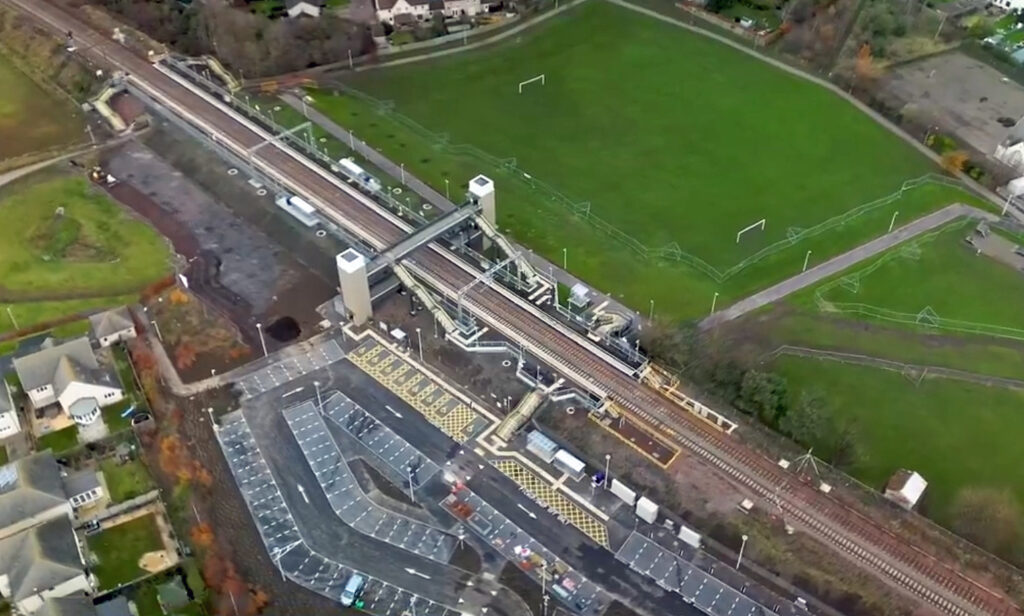
This was for a station with two 158-metre-long platforms, fully accessible with step-free access across the railway via a footbridge with lifts, cycle storage facilities, a 114-space car park including 18 electric vehicle charging points, a bus shelter, and drop-off space.
Preparatory site work commenced in December 2021 after which station platform piling started in February 2022. This was done on Saturday and Sunday nights until the end of March. Wherever possible, vibration piling was used to avoid neighbour disruption.
Platform construction commenced in May with the use of a crane to lift platform sections onto the piles. As this progressed, a gap was left until two new overhead line equipment (OLE) gantries were installed early in June. These replaced single masts where the platforms were to be. Construction of the new station also required additional signals to be provided.
East Linton Station. Credit: Network Rail.
The lift shafts were installed in September, followed by the footbridge in October 2022. This was followed by the provision of stairs, station fit out work, and the construction of the station car park.
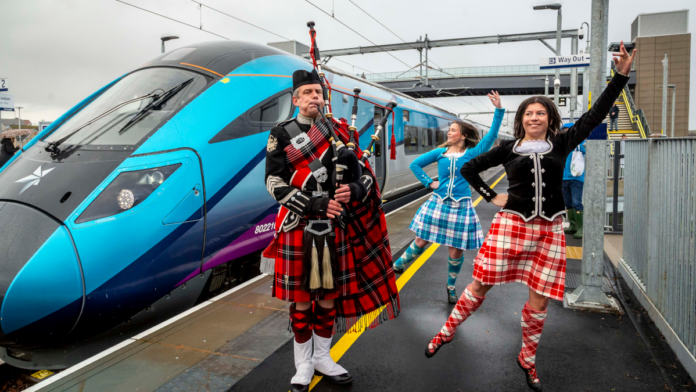
On 13 December, the station opened with suitable ceremony at which Scottish Transport Minister Fiona Hyslop unveiled a plaque, with a piper and local school children greeting the first train. TransPennine Express also named its first unit to stop at the station after a local landmark, Hailes Castle.
The new station is served by ScotRail and TransPennine Express and offers services to Edinburgh Dunbar and Newcastle. It has respectively 22, 23, and nine trains per day on weekdays, Saturdays, and Sundays. Around 130,000 journeys are expected to be made to and from station in the first year of its operation.
Markle crossing
As described in the feature, the new East Linton station required OLE and signalling alternations. It has also accelerated plans to close the nearby half-barrier crossing on the ECML, 1.6km northwest of East Linton station. With two fatalities in the past 15 years, this is regarded as a high-risk crossing. The new station increases this risk as road users might become impatient with the longer wait for trains stopping at the station and weave through an open gap in the barriers.
To eliminate this risk, Network Rail, in consultation with Transport Scotland, has developed an £8.7 million scheme to build a bridge over the ECML for which planning permission was received in May 2023.
HS2 is building four stations, which will be huge, even if Euston ends up only with six platforms. Old Oak Common is underground and, if the plans for over-site development go ahead, Euston will be underground too. Interchange and Birmingham Curzon Street will be on what will amount to extensive bridges. It’s no exaggeration to say that even non-public spaces at these stations will be larger than many older stations’ public spaces. As a result, there will be many systems to control and HS2 took an early decision that the same integrated information management and control system will be used for all four stations.
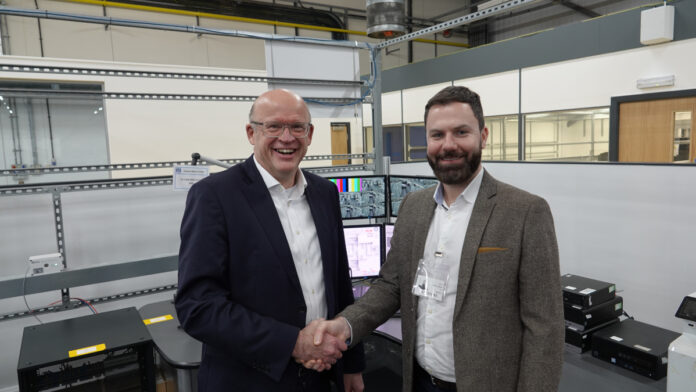
In mid-January 2024, at an event at the Siemens Mobility facility in Ashby-de-la-Zouch hosted by Rob Morris Joint CEO Siemens Mobility UK and Managing Director for Rail Infrastructure and Software, it was announced that HS2 had placed a contract valued at £47 million with Siemens. This is a framework contract that will be called off by the main contractor joint ventures building each station.
Paul Tomkinson, HS2 Head of Stations Contracts Integration, explained that this approach will be used for other station systems that HS2 require to be common, such as lifts and escalators, LV power, and uninterruptable power supplies.
Elizabeth line replica station control.
The technology to be used is Siemens Mobility’s Digital Station Manager technology platform which is already in use on London’s Elizabeth line and which will “touch every stage of passengers’ journeys though the stations”. It will provide the Station Information Management System (SIMS) controlling systems such as lighting, fire, energy management, ventilation, platform barrier systems (at the through platforms), security (e.g. CCTV and intruder detection), and the Customer Information System (CIMS) controlling public address and feeds to audio and visual systems, although it was made clear that the contract for the visual display screens is being completed separately.
A factory tour
The Ashby-de-la-Zouch site is Siemens’ UK HQ for Communication and Information Systems (C&IS) although the team works very closely with colleagues at its signalling HQ in Chippenham. A tour of the factory was led by Colin Rowcliffe, operations director for C&IS and Julian Randle, HS2 delivery lead.
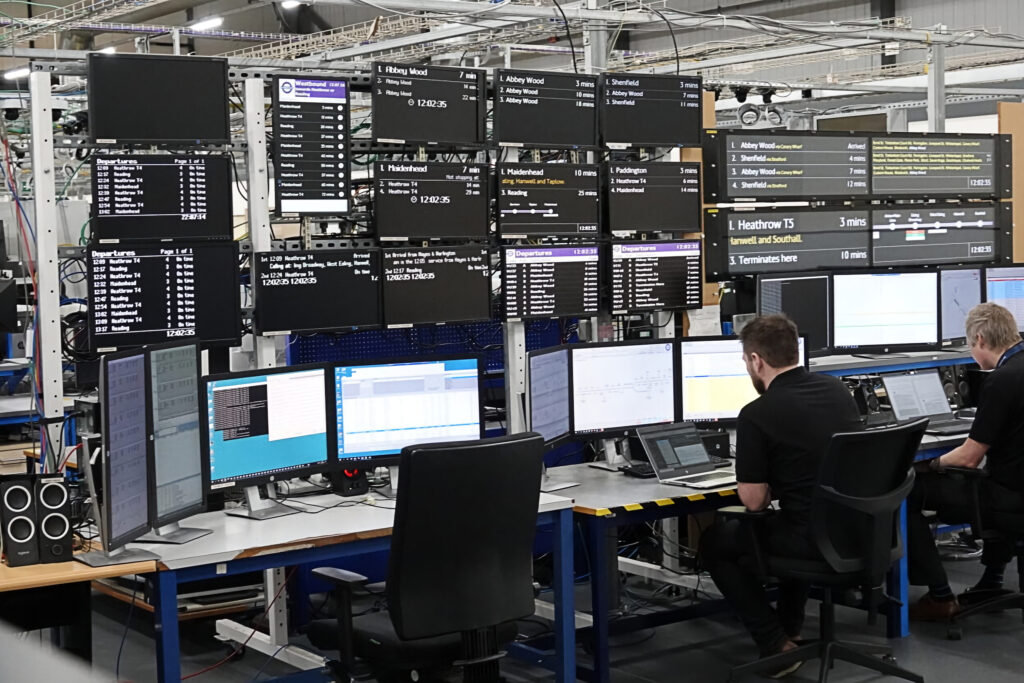
They demonstrated a replica of the equipment installed at the Elizabeth line’s Romford operations centre and at each of the underground stations. They explained that Siemens will maintain this replica for the life of the system and continue to support TfL with enhancements brought about by the experience of operating the railway, enabling any system issues at site to be replicated and investigated. Enhancements include: messages to try and encourage customers seeking Heathrow T4 or T5 to catch the first train going to Heathrow, changing at Terminal 2, 3 stations if necessary, to providing more information about station stopping patterns especially on the western section because it is unusual that metro style services do not call at all stations.
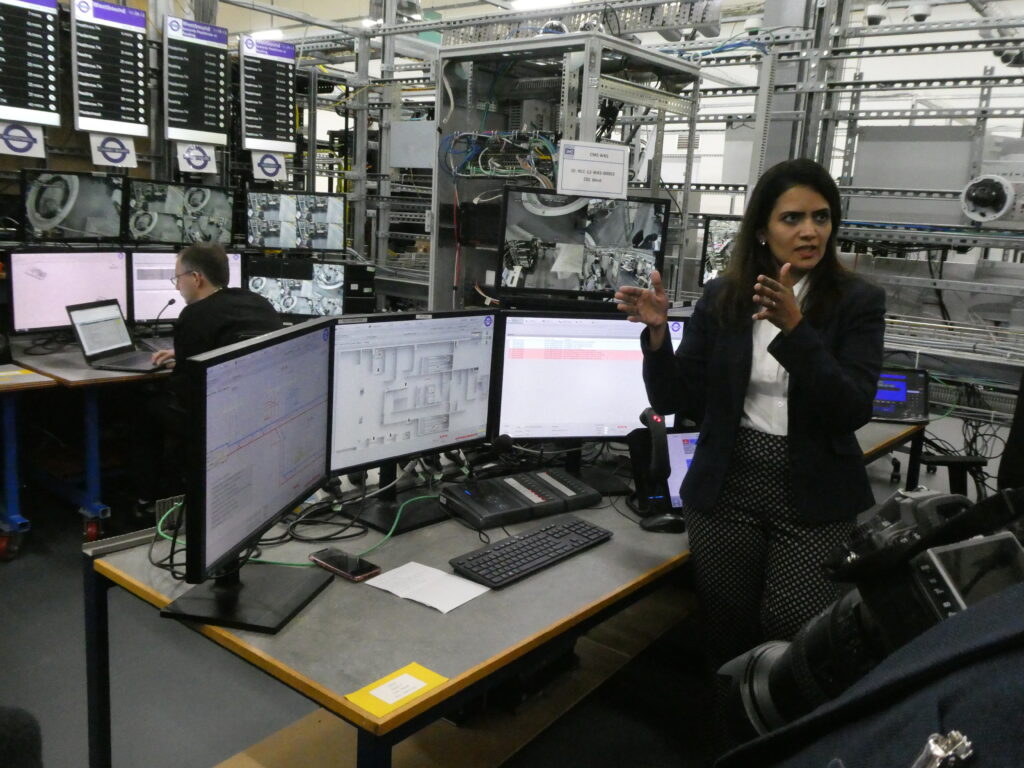
A typical operator’s workstation has three monitors, a keyboard and mouse, as well as a telephone terminal with handsets. Two of the monitors show graphical information which might be the line diagram showing where all the trains are located or a graphical information system (GIS) representation of a station. In each case the operator can zoom, scroll, and change layers to access more information or move around the (virtual) levels of the station. The third screen contains a text log of events, the seriousness of which is highlighted by colour. During the demonstration, an alarm was created which immediately appeared on the third screen. The operator was then able to locate the alarm on the GIS. Operators are able to access any of the 2,000 or so CCTV cameras remotely, and all are recorded locally.
The replica system is a normal feature of telecoms control systems and visitors saw other replicas in use. They allow staff in the factory to analyse issues reported from the field and test fixes.
Asked about remote connections and uploading software patches from Ashby-de-la-Zouch, Siemens’ engineers said that the replica is entirely separate and that they visit customers’ premises to carry out updates. For the Elizabeth line, as an example, engineers visit Romford and from there can update the operations centre system and each of the stations.
Yasodha Sivanandam demonstrating a typical workstation.
The equipment being assembled appeared to this mechanical engineer to be largely standard IT racks, modules, brackets, and displays brought in from Siemens’ 3,000 suppliers, 47% of which are UK based SMEs. Some specialised equipment has to be manufactured and although Siemens outsources metal fabrication, it carries out assembly in house or, for large production runs, builds the prototype in house and has the production modules manufactured at the Chippenham factory.
In a conversation about physical interface, Julian said that he is expecting the amount of on-site inspection and measurement, prior to manufacture and fit out, to be reduced because of HS2’s commitment to, and quality of, its building information management (BIM) system. He acknowledged that some visits will be necessary but not as often as was the case on previous jobs.
It is the software – configuration of standard software and development of bespoke elements – that brings all this to life. Many of the functions are safety critical (for example, if a power system has to be isolated remotely the operator must be confident that the isolation has happened) and it is therefore important that proper processes and tools are employed. Siemens’ role is to apply/develop control system software and throughout the tour the comment was heard: “Tools [and processes] are of paramount importance but are only as good as the people.”
People
With 3,000 suppliers, and a contract such as HS2’s where there are effectively five clients (HS2, each station JV, and possibly route-based signalling and SCADA systems) collaboration is vital. Rob said that he speaks with Howard Smith, TfL’s Elizabeth line director, on a weekly basis to ensure that Howard is getting what he needs from Siemens. Rob said that this type of collaborative relationship is replicated throughout the organisation.
Rail Engineer observed that the people seen on site were generally relatively young. Rob said that when he started with Siemens eight years ago, the demographic was quite different and younger people had to be brought in to avoid what might have led to a loss of skills as older team members retired. Colin Rowcliffe said that the Ashby-de-la-Zouch site employs about 300 people of whom over 10% are trainees, and many more are employed on installation and configuration at customer sites.
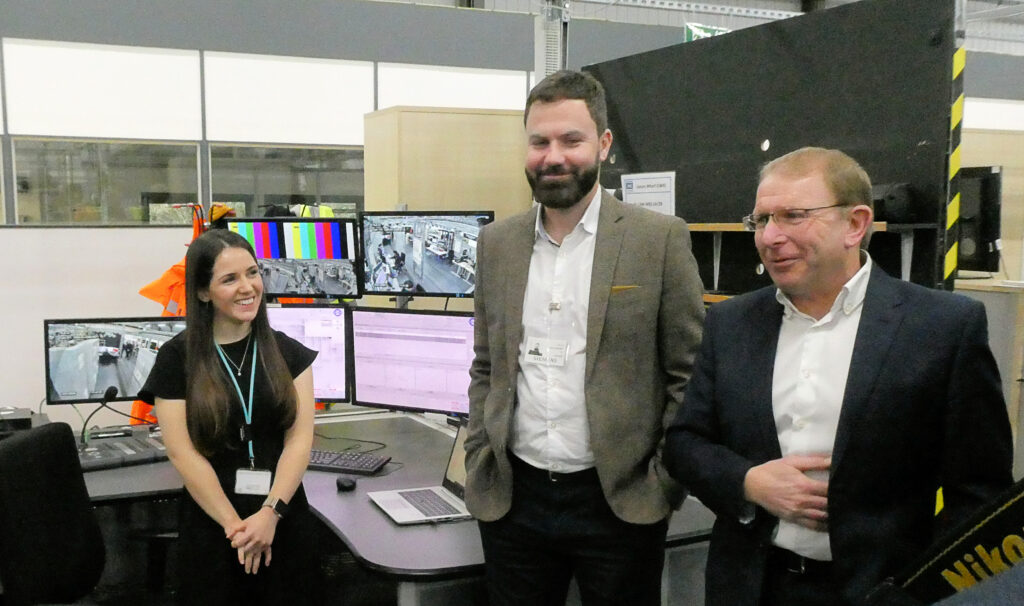
A recent graduate of Siemens’ graduate scheme, SCADA Design Engineer Katie Roberts, HS2’s Paul Tomkinson, and Siemens’ Julian Randle.
Julian added that he tries to populate project teams with a mix of experience levels especially for long term projects that ultimately lead to long-term operational support contracts. It would be unfortunate, for example, if all the members of a project team were experienced people who retired shortly after the end of the project – not good for ongoing support.
Rob echoed these comments citing Siemens’ commitment to railway engineering skills through, for example, the National Training Academy for Rail based adjacent to Siemens rolling stock depot in Northampton.
Asked about the future, Rob talked about an ever more competent workforce that would increasingly use software and would reflect the community. He thought that there would continue to be a skills shortage and hoped that tools such as artificial intelligence might help with routine software production, allowing humans to concentrate on complex and innovative tasks. He also forecasted that interlockings might be on computers hosted in data centres (i.e., in the cloud) rather than lineside. He is keen to find ways to reduce the amount of active lineside kit.
No doubt, Rail Engineer will return to this project as it progresses.
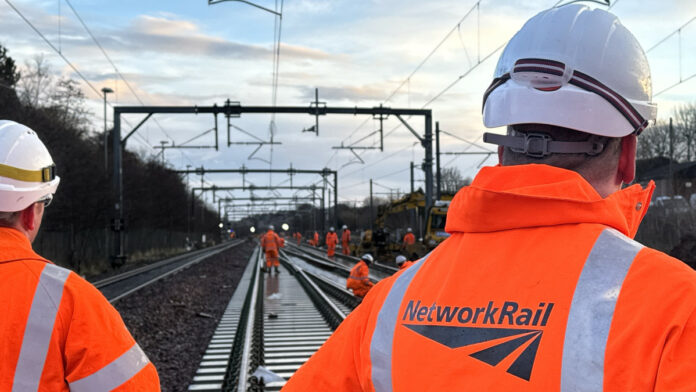
In the closing days of 2023, Network Rail and the rail supply chain delivered a substantial and complex programme of works valued at £127 million.
With decreased demand for rail travel, and the closure of the network on Christmas Day and Boxing Day, the festive period is an ideal time for extensive work, with minimal disruption for passengers. All those involved used the time wisely, taking on challenging works that will keep the country moving in the years ahead.
Within the work bank, there were 32 individual projects delivering complex infrastructure renewals or enhancements identified as RED through the Delivering Work Within Possessions (DWWP) assurance process.
Unfortunately, we don’t have the space to comment on all the completed works, but the next few pages will give you a taste of the highlights.
Eastern Region
Beaulieu Park station. This project involves the construction of a new station and supporting infrastructure upgrades between Chelmsford and Hatfield Peverel, on the Great Eastern Mainline to support the new housing development in the Beaulieu Park area of Chelmsford.
Works completed during the holidays included: (i) OLE – stage 0.4 modification of both London and Country End Overlaps to the new loop and DN main; (ii) Permanent Way – the connection of a new Down Main and Loop line into the Down/Up main lines and installation of eight S&C ends; (iii) Signalling – test support for changeover of Cross Rail & Chelmsford North Feeders and modification works for introduction of new lines; and (iv) Electrification & Plant – Feeder changeover at PSP Chelmsford, supported by signalling.
Issues encountered included below expected performance of PEM and LEM machinery during track installation.
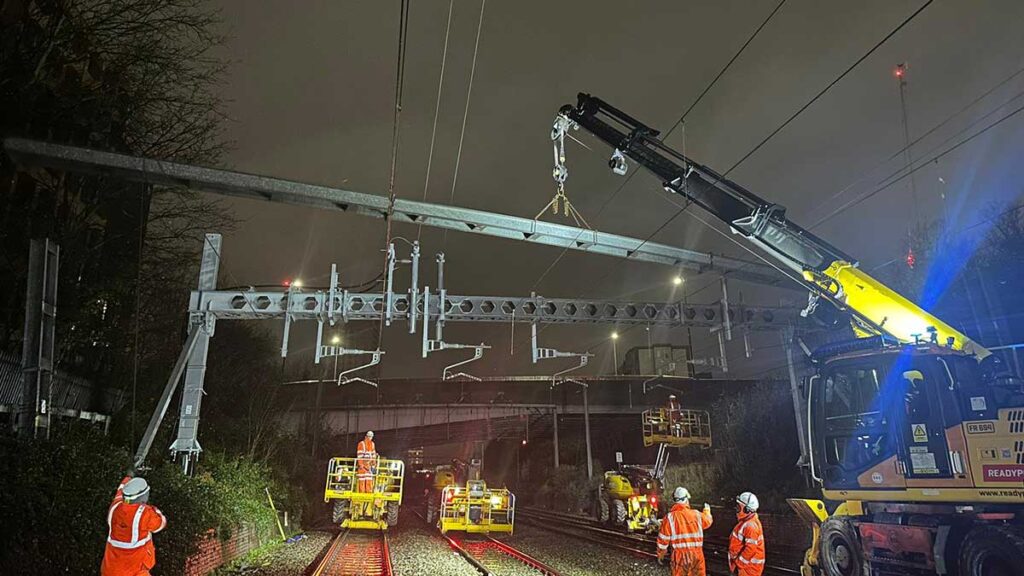
Stratford rewire. Originally part of the Great Eastern renewals, this work has missed delivery on previous attempts due to lack of access opportunities. The rewire will see improved reliability with the installation of new OLE equipment, replacing equipment that was installed in the 1960’s and has reached the end of its working life.
During the festive period, new small part steel (SPS) was installed throughout wire run, 1,100 metres of redundant contact, auxiliary, and catenary wires were removed, and 1,100 metres of new contact and catenary wires for the B92 wire run were installed. New OLE tensioning devices were also installed at two locations.
Stratford rewire.
All works were completed with no accidents or incidents.
West Hampstead recontrol. The West Hampstead Power Signal box covers from St. Pancras buffer stops to Bedford North. Commissioned in 1979, its NX panels had approached the end of their useful life and had become increasingly unreliable. These works saw the successful recommissioning of the signal box from an NX Panel to WestCad workstations, ensuring afford safe and reliable railway performance for years to come.
The project experienced significant issues post handback on the morning of the 27 December, ultimately traced to issues with the signalling data and design. This regrettably caused significant disruption on the Midland Main Line, Thameslink Core, and other neighbouring routes throughout the day incurring 4,929 delay minutes and 344 full or partial service cancellations.
Kentish Town Road Bridge. Work continued to strengthen this railway bridge which runs over the Midland Main Line. Kentish Town Road at its junction with Leighton Road was closed from Christmas Eve to Wednesday 27 December as engineers completed repairs to concrete and steel elements of the bridge, used high-pressure water to clean existing steel components, and applied a protective coating system to various parts of the steel structure.
On the top of the bridge, two 25 tonne excavators demolished the parapet wall and a 350-tonne crane lifted out the old girders and installed new girders and precast concrete brick faced parapets.
TRU Hope Valley Capacity Improvement Project. The Hope Valley Project successfully delivered the replacement deck for TJC1/35 Bridge on the Sheffield side of Dore and Totley Station. There were some delays on site, due to unplanned shielding of a protected species (crayfish).
The permanent way was renewed and tamped and opened back up to line speed with temporary joints, before the welding, stressing and follow up tamp is delivered in a 15-hour possession in week 40 of the project.
All works were delivered, with nothing being curtailed.
North West & Central Region
Bolton Le Sands Plain Line Track Renewal. This saw the renewal of 391 yards of the 125 mph Up Main on the West Coast Main Line between Lancaster and Carlisle. The work comprised of a mix of Cat 14 (complete renewal excavating to 400mm) and Cat 12 (reusing existing sleepers) renewals.
This piece of track was classified as life expired, and the immediate benefits of the track renewal is a large reduction in maintenance requirements for this previously problematic area. It will also provide smoother, more reliable journeys for passengers.
All track works were completed on time and handed back to scope. During the course of the work, the drainage associated with a local level crossing was damaged by a dozer. Repairs were subsequently made allowing the crossing to reopen a week later.
Ardwick Signal Structures Renewal. Structural renewal and signalling works were carried out across nine signals in the Manchester Piccadilly and Ardwick areas, including the conversion of signal heads to LEDs.
Following the work there will be increased reliability of infrastructure, resulting in fewer infrastructure failures and fewer delays to passengers. The new assets also require less maintenance, allowing for a reduced maintenance workload.
Lichfield Trent Valley Platform 3.
Lichfield Trent Valley Platform 3. This involved the replacement of the Platform 3 high level platform where the Birmingham Cross-City line crosses the West Coast Mainline. The previous structure was in very poor condition and had to undergo emergency works in May 2022. Platform 3 was then removed in July 2023. The platform has been upgraded to a compliant width and comprises of GRP elements, which should result in less onerous and regular maintenance.
Work completed over the holiday period involved the installation of new steel/FRP platform, M&E, Comms & SISS. The programme fell behind during the core possession due to issues lining and levelling the platform once the sections had been lifted into position. The project had to curtail some activities to handback both lines on time on 27 December. Some of the remaining activities (CCTV, lighting etc) were completed under the Cross-City line blocks so the platform could open with contingent measures for the first train on 30 December.
Oxenholme Plain Line Track Renewal. This was the first of three core shifts for the site which totals 653 yards. The New Year bank holiday was utilised to allow the whole of the platform length to be delivered at once to prevent gauging issues and minimise future disruption to passengers and freight. The new track assets installed will reduce ongoing maintenance requirements and provide a more reliable section of railway through Oxenholme station.
Works were delivered to plan, though the possession overran by 77 minutes, with 35 delay minutes incurred, due to RRV breakdowns, equipment failures and logistical issues on site.
There was one incident where an RRV came into contact with the OLE in the platform area while loading sleepers onto train. The Carlisle OHLE team inspected the asset and found no damage.
Southern Region
Voltaire Road Junction. Voltaire Road Junction is located on the five track DC electrified section of track between Wandsworth Road and Clapham High Street stations, approximately two miles from Victoria. Works completed included the complete renewal of the S&C layout including 13 switches and 1x fixed diamond.
Associated with the S&C renewal was 1,000 metres of plain line and conductor rail. Five new location cases to facilitate the new points operating equipment were also installed.
The site was handed back at line speed. A substation circuit breaker failure during section proving activities delayed the hand back process.
Wales and Western Region
North Row Bridge & FNS2 Track Renewals. These planned works involved strengthening the bridge at FNS2 with extended permanent way works either side of the bridge to improve track quality.
Works completed included the installation of new rail bearer top flange angles throughout the extent of the bridge, new cross bracings, main girder strengthening plates, a new timber deck, and 170-yard relay with new components and EG47 sleepers. The ballast depth across the bridge was increased from 50mm to 200mm.
No significant issues were encountered during delivery and all works were delivered to plan.
OLE works at Old Oak Common.
HS2 Old Oak Common drainage installation. This work saw the installation of three cross drains and 100 metres Linear Drainage in the Old Oak Common area. The work was required to facilitate the Conventional Station at Old Oak Common that will serve as an interchange with HS2. In total the project will deliver approximately 8,500m drainage both on and off track over the next four years.
One person sustained an injury but returned to work on their next shift. All staff were briefed on appropriate manual handling. The team worked well to mitigate unknown buried services with no risk to handback.
Kennet Loop S&C Renewal. Life expired points and operating equipment were renewed – replaced with modern equivalents. All works were completed as planned, though there were challenges around getting line blockages for unloading the tilting wagons, and the passing of trains from other works delayed on site progress, requiring activities to be revised. An OTM breakdown slowed progress and additional time for welding required was required.
Scotland
Greenhill Signalling Resilience Project. This project involved the renewal of life expired assets and replacing the existing Greenhill GEC Geographical Interlocking with a full trackside Computer Based Interlocking. This was achieved by installing a new WESTLOCK with Westrace Trackside System (WTS) and by extending the existing Larbert WESTLOCK which will interface to the IECC scalable control system.
Greenhill is located at a critical junction on the main Edinburgh to Glasgow key route; the works were planned to incorporate the delivery of an associated enhancement at Carmuirs West, renewal of train detection equipment on the Stepps lines, and support the integrated delivery of the remodelling of Greenhill Upper Junction.
Weather related challenges slowed progress and impacted cable insulation testing.
Greenhill Upper Junction. Works completed included the renewal of 11 point ends and 992 yards of Cat 11/16 plain line renewal during an eight-day possession. OLE was also commissioned on thecore routes to allow for remodelling of Greenhill Upper Junction and an upgrade to the Distribution Network Operator’s supply to accommodate new points heating.
An operational incident occurred when an RRV passed a recently tested insulated block joint, which in turn closed Greenhill Lower Junction. The investigation is ongoing.
Craigentinny Plain Line Track Renewal. The Scotland Rail System Alliance undertook the renewal of life-expired plain line track assets at Craigentinny Junction South. Work included renewing rail, sleepers and ballast over 2062 yards on the ECM8 Down East Coast Main Line.
New track laid at Greenhill Junction.
The renewal will reduce the risk of future speed restrictions being imposed which would result in increased passenger journey times. Improved track quality will further reduce heavy maintenance over this section resulting in a smoother ride for passengers.
Issues for the works over Christmas relate primarily to obtaining key staff (Machine Controllers).
This was due to the volume of work taking place across the region over the period, however all works were completed as programmed.
Dundee Station ‘444 Points’. This is a critical set of points that allows trains to commence/terminate in Platform 1. This is a frequently used set of S&C which had come to the end of its service life and required heavy refurbishment. Due to the deteriorating condition of the asset, Works Delivery Scotland was engaged to design, procure, and install new S&C panels including points operating equipment, along with renewing the ballast via a full dig and replenishing with fresh top stone.
The renewal of ballast down to formation has also improved the drainage at a location where flooding has been prevalent in the past.
Performance and handbacks
Of the planned 1,714 network wide possessions that took place between 23 December and 2 January, there were eight service impacting possession overrun incidents, two of which were linked to the delivery of a major ‘red ranked’ scheme.
The most significant possession overrun occurred in the Orpington area, where during the course of S&C maintenance activities, the team encountered difficulties when installing new closure rails during the final stages of work. This incurred 1,586 delay minutes on the morning of 27 December to passengers using Southeastern services in the area.
The two possession overruns linked to the delivery of ‘red ranked’ schemes occurred at Oxenholme (NW&C), where 35 delay minutes were incurred following an RRV failure and equipment breakdowns during the course of the work, and at Barking (Eastern) where 34 delay minutes were incurred following a 21-minute possession overrun resulting from complications during the possession handback process.
Given that the total number of possession overrun delay minutes incurred was 1,751 minutes across 8 incidents and the total number of booked possessions across the wider business was 1,714, this represents a successful possession hand back rate of 99.5% – a moderate improvement on previous years.
It must be noted, however, that whilst work to recontrol West Hampstead Power Signal Box (Eastern) was handed back on time, an unidentified signalling data design issue resulted in an inability to signal trains on part of the new West Hampstead workstation, causing notable and widespread disruption across the Midland Main Line and Thameslink groups of services and incurring approximately 5,000 delay minutes.
Christmas work at Barking, Essex.
While the fault was subsequently identified and rectified, work is underway with Network Rail, Siemens and Linbrooke teams (delivery partners for the scheme), led by the Rail Investment Centre of Excellence, to fully understand the nature of the issue, the events that led to the fault, and key learning points.
Safety
In total, over the Christmas and New Year period, there were two reported accidents, zero reported environmental incidents, and four reported general incidents/close calls.
The first reported accident took place within the TRU Hope Valley Capacity Improvement Project worksite where a Network Rail member of staff tripped on ballast and broke their arm. The colleague was taken to hospital and a care plan agreed.
The second accident took place on the Old Oak Common drainage worksite where a manual handling injury occurred. This was deemed to be a minor injury and, following appropriate treatment, the injured person returned to work on their next shift. The teams were re-briefed on manual handling techniques following the event.
Thank you
Rail Engineer would like to thank everyone involved in these works for devoting their time and energy over the holiday period.
Your commitment to making the network safer and more reliable for all is a credit to the whole industry.
In recent years, the escalating costs of light rail projects have prompted urban planners and policymakers to re-evaluate transport infrastructure strategies. One emerging approach is leveraging existing heavy rail infrastructure, which potentially offers significant value for money alongside other benefits of using established heavy rail routes or mothballed branch lines.
Increased light rail costs in the UK are understandably preventing the expansion of the tram network, begging the question as to why light rail in the UK costs close to 300% more than the current worldwide average. It is true that scheme cost reporting and political controls do have an impact on project costs and make precise comparison difficult, but even when you normalise the cost of utility diversions, poor procurement, and planner bureaucracy, it still costs at least double to build a light rail project in the UK when compared to average global costs.
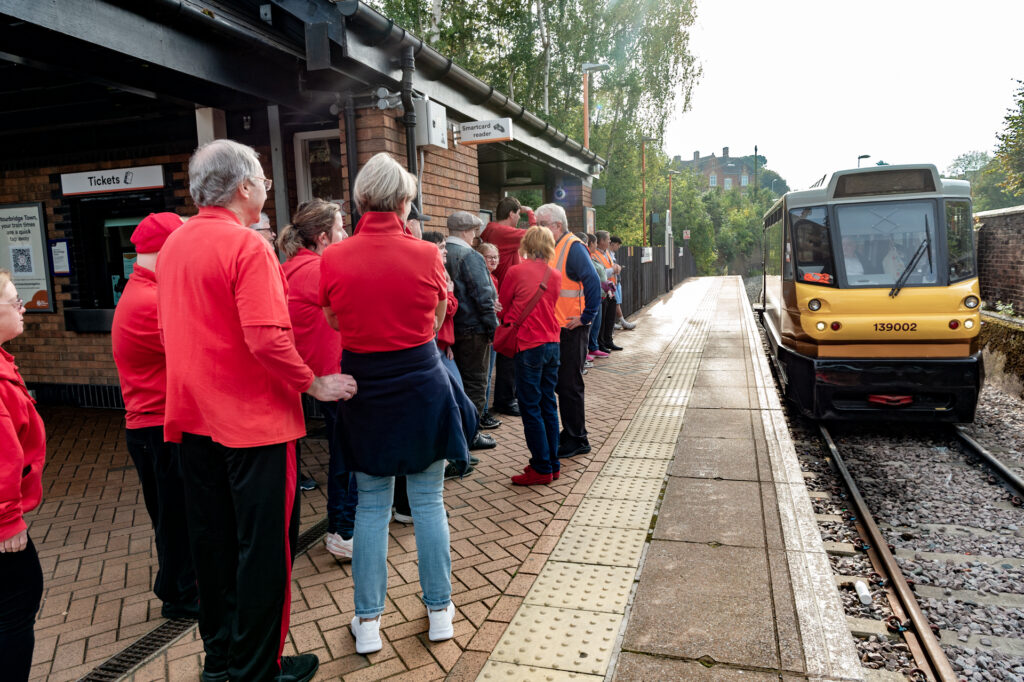
Local charity students using the shuttle.
Affordable growth
Inflationary impacts and Covid-based delays, along with the UK preference for ‘developing a place’ (refurbishing the whole street or area as opposed to the track width), have all been cited as reasons why UK schemes are more costly, but in truth the work scope and specifications are similar in many countries, so why the huge variance?
Apparently, no one knows, so it should be no surprise that urban light rail schemes stand a far greater chance of being built abroad than here in the UK. This lack of financial control or accountability should not be ignored, we must ask and keep asking the question: how can we support patronage growth more affordably and effectively?
Utilising existing heavy rail infrastructure presents several advantages. Foremost, it can lead to substantial cost savings. Retrofitting, repurposing, or upgrading heavy rail lines eliminates the need for extensive new construction, thereby reducing material and labour costs. Time efficiency is another critical benefit; existing tracks and stations can be adapted much quicker than building from scratch, accelerating project timelines.
Stourbridge Shuttle
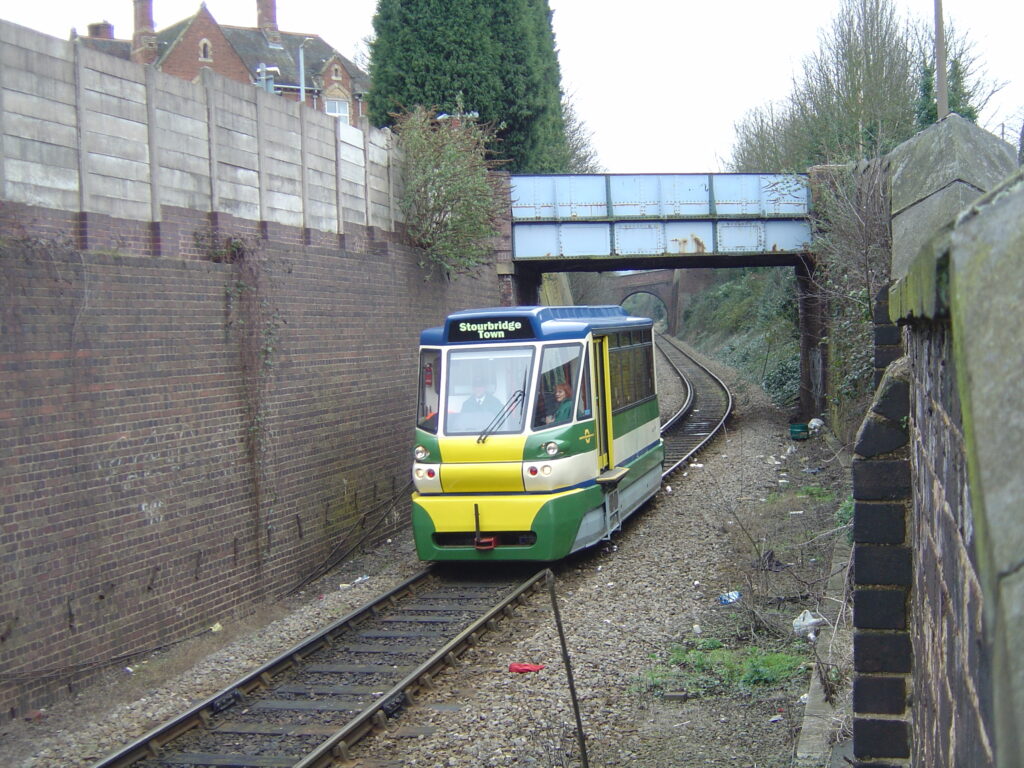
A notable example of innovative railway use in the UK is the Stourbridge Shuttle. This ‘Very Light Rail’ service operates on the short, Stourbridge branch line using a light, energy-efficient railcar, and has carried more than seven million passengers since operations began in 2009. The Stourbridge Shuttle is renowned for its low operational costs and energy efficiency, thanks to its unique use of a Class 139 Parry People Mover, a vehicle much lighter than conventional trains. This approach exemplifies how adapting existing rail infrastructure for lighter, more cost-effective vehicles can result in substantial savings.
Original shuttle prototype (2007).
It also highlights the potential for increased frequency of services and reduced environmental impact. The Stourbridge model demonstrates how small-scale adaptations in rail systems can lead to significant operational efficiencies and sustainability benefits. By focusing on practical and local solutions, it provides a compelling case for rethinking urban rail transport strategies.
Moreover, repurposing heavy rail infrastructure aligns with sustainable development goals. It minimises land use and reduces environmental impacts associated with new construction. This approach also leverages the established connectivity of heavy rail systems, enhancing the accessibility and reach of public transportation networks.
Oswestry-Gobowen, March-Wisbech, Walsall-Lichfield; all are key examples that could utilise Light Rail rolling stock to provide an economic and efficient solution to local transport demands in a short-term time frame. If route extensions are required and patronage is over-subscribed in 10 to 20 years, then upgrade the line to traditional light rail, tram-train, or even a heavy rail system at a later date, when patronage and demand have been not only proven but also developed.
With light rail projects facing escalating costs, utilising our existing railway infrastructure offers a cost-effective and necessary alternative. Urban planners and policymakers should consider this approach to maximise value for money, ensuring sustainable, efficient, and financially viable public transportation solutions.
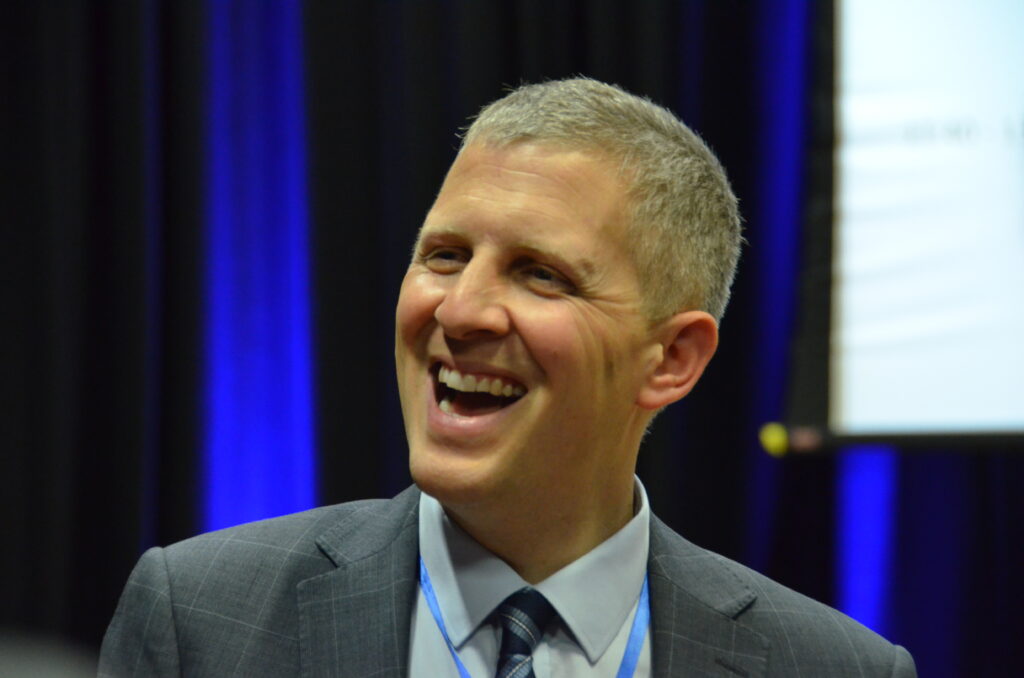
Prior to the pandemic, Network Rail ran an annual conference to encourage innovation in signalling and control technology. Obviously, during lockdown such meetings were not possible and the conferences stopped. This year the Railway Industry Association (RIA) worked in partnership with Network Rail to revive the idea and organised RIA SIGEX 2023. The event took place on 21 November at The Venue, De Montfort University, Leicester. A key tenet of the original event, successfully carried forward to the revised format, is to highlight innovation, either technical or in the way work is organised, with the intent of bringing down the price of signalling and control systems which is approaching being unaffordable in the UK. Another key tenet was to keep the event affordable for all with minimal cost to exhibitors and free for attendees.
The conference was organised by RIA and supported by Network Rail and Kilborn Consulting. It was organised around a number of exhibits in the large hall where companies displayed ideas supporting innovation across the signalling and control sector. A number of presentations were given in the auditorium highlighting the critical needs of the industry. Between these presentations there was time to listen to outlines of some of the exhibits and to network with others involved with signalling and control systems.
Martin Jones
RIA objectives
The main presentations opened with a welcome and summary of the role and objectives of RIA from Technical Director David Clarke. Some of the key questions he asked included: Is decarbonisation on target? What should we assume about future growth and how does this affect decisions on current and future rolling stock requirements? What are the priority routes for electrification?
On the decarbonisation targets, the plans for rail are significantly behind those set by the Department for Transport (DfT) in its July 2021 decarbonisation plan and consequently many of the other plans are currently uncertain. It was also emphasised that the recent curtailment of HS2 leaves additional unanswered questions about what is required and what will be necessary.
Sustainable signalling renewals
David’s presentation was followed by Martin Jones of Network Rail who talked about Target 190 plus. The industry challenge is that the cost of signalling renewals significantly exceeds the budget available whilst at the same time the volume of work is greater than the available resources can deliver. Add to those challenges the fact that like for like renewals will fail to deliver any significant safety benefit (because they would not include automatic train protection and such renewals require significant track access to deliver and maintain, resulting in greater disruption to railway users) and it becomes clear that significant innovation is needed to sustain the railway in the longer term. So, the challenge is to reduce the current ETCS level 2 Signalling Equivalent Unit (SEU) cost from circa £315,000 to around or below £190,000 by or soon after 2029.
Three primary pillars support the objective. The right technology, the right tools, and the right processes. Technically, ETCS is supported by EULYNX which itself aims to ensure a compatible component interface to increase flexibility in product choice, hybrid train detection, and ATP/ATO with good traffic management. The right tools include, getting option selection right first time, creating a synthetic environment which supports greater levels of automation, and understanding the opportunities created so that timetabling can maximise the benefits. Process works need to focus on methods of design and validation that are simpler, easier, and quicker to use. All of this needs innovation to deliver successfully.
Luisa Moisio.
There is a three-phased approach which recognises: first, the need for research and development to create the innovative ideas; second, a transition phase to ensure that workable ideas are embedded in future work processes; and third, when all ongoing work adopts the revised methods.
At present it is anticipated that phase one and part of phase two will be completed during CP6 with the remaining parts of phase two and deployment occurring during CP7.
Testing and validation
Following Martin, Luisa Moisio from RSSB discussed better and quicker testing and validation. This talk looked at the classic V-model life cycle from the very start of the business requirement right through to the decommissioning of a system at the end of its useful life. The key topic of the presentation was the increased use of data and modelling to deliver reliable outputs that confirm successful delivery of the required system with the right parameters of safety, functionality, and cost.
It is of course important to have good quality models, including digital twins, and to have suitably rich data and the ability to analyse this data to achieve the objective. Finally, it is important that all these things fit together properly to ensure the tests are both realistic and can emulate the stresses the system is likely to encounter when in use.
Synthetic environment
After a break to tour the exhibition and discuss innovations with individual suppliers there were further presentations in the afternoon. These opened with Rubina Greenwood from Network Rail discussing its Synthetic Environment. The idea here is to have suitable processes and systems in place from the original business requirement through to hand back to the asset steward, such that the whole project runs as seamlessly as practical. Initial development work is underway and it is planned that trial use should begin in 2025, operating in shadow mode to make sure it achieves the objectives set. One key requirement for such a system is a common data environment where most if not all data is exchanged in well-defined formats.
Global Centre of Rail Excellence
Alexandra Luck.
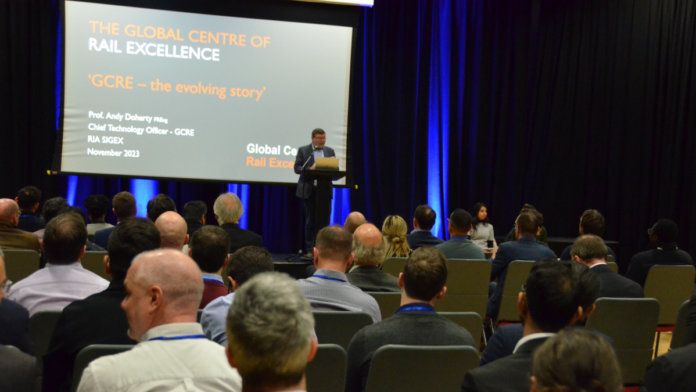
The presentations continued with an outline of the evolution of the Global Centre of Rail Excellence (GCRE) by Andy Doherty. Andy outlined the services GCRE is planning to offer which include rolling stock testing, infrastructure systems innovations including accelerated whole life testing, and showcasing new products in a controlled environment. A major advantage of the GCRE is its availability 24 hours a day, seven days a week, and that it is being established to be risk tolerant rather than risk averse. This means that, provided appropriate controls are in place, certain risks will be tolerated whereas in other locations those risks would prevent work occurring.
This of course is a particular benefit of an independent test site that is not part of an operational network.
Progress with GCRE can be summarised as follows:
Initial investment from Welsh and UK governments is available.
Private sector investment is being sought.
It is expected to commence earthworks in the first quarter of 2024 with railway works commencing a year later.
The facility is expected to be fully functional by 2026/7, although some small-scale testing should be possible before then.
Further development of the site is expected to continue in subsequent years.
National ETCS Test Laboratory
George Walker and Chris Winter from AtkinsRéalis then gave a talk about the National ETCS Test Laboratory (NET-LAB). In 2020, AtkinsRéalis was awarded a 10-year contract to provide support services to Network Rail for the testing and laboratory demonstration of compliance of ETCS products with the Technical Specifications for Interoperability (TSI) and national reference design to support product acceptance. The aim was to give a level of independence and to reduce the volume of on-site testing. NET-LAB will offer independent testing with suitable levels of automation offering repeatable 24-hour testing of many of the products and interfaces involved in an ETCS application.
The overall laboratory has an on-board gateway linked to a trackside gateway enabling both the train borne and trackside systems to be tested. The tests are conducted through an orchestrator which runs the required test scenarios, manages any necessary simulations, records the results, and ensures suitable repeatability of any tests.
Robert McGeachy and Ben Orcan.
Digital twins
Following further exhibition browsing time, Robert McGeachy and Ben Orcan from Thales talked about Digital Twins. This emphasised the increasing rate of change and the dynamic growth of interconnectivity with its effects on automation, before outlining how simulation and digital twins in the general sense offer ways of understanding these systems. They concluded by outlining some of the applications in areas of transport which have a safety critical element.
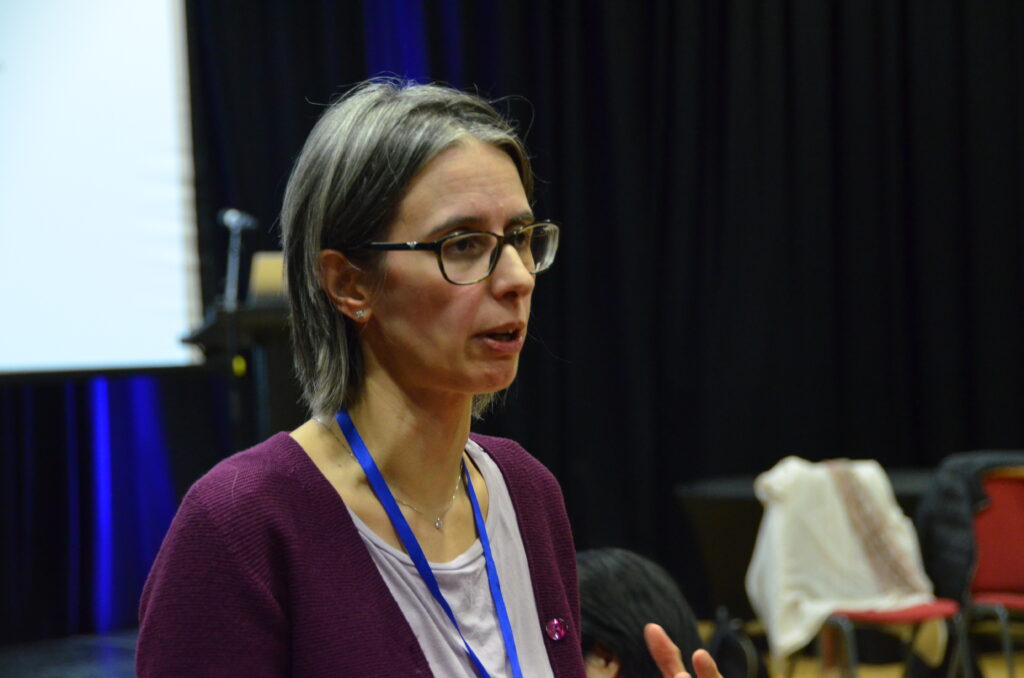
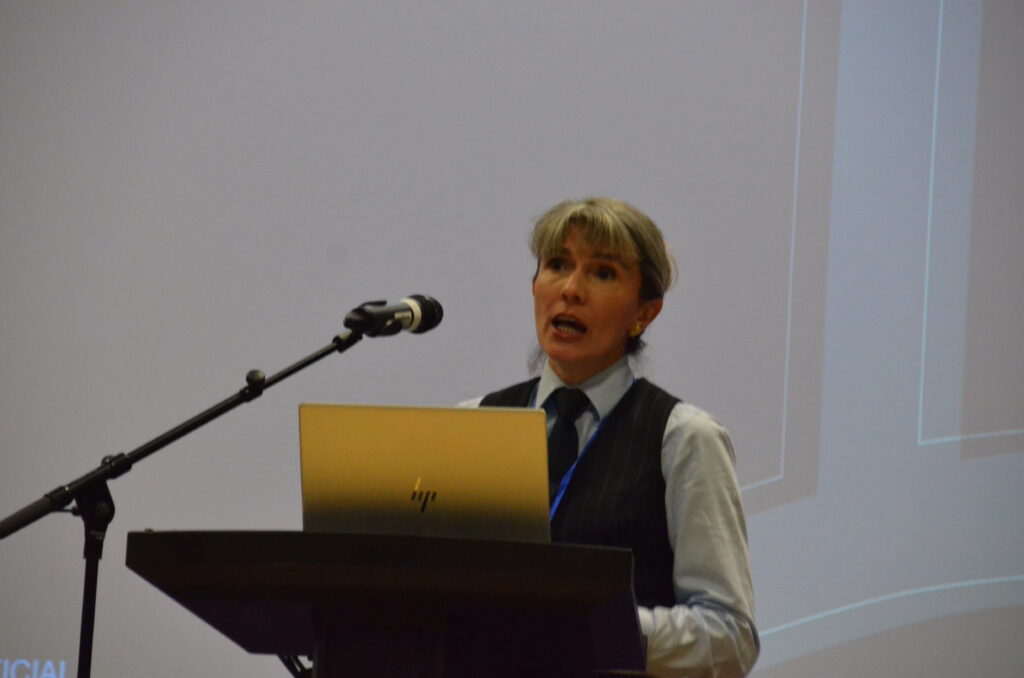
Their talk was followed by another from Alexandra Luck from the Department for Business and Trade outlining the national Digital Twin Programme. This final presentation had four framework components: operating frameworks, data and technology, skills and engagement, and finally demonstrators. The operating framework looked at a wide range of issues such as legal issues, ethics, and sustainability amongst others, whilst the technology section encompassed integration, understanding data sources and quality, and model interoperability.
In terms of skills, there are the current gaps in understanding when and how to use the results and issues around how those skills may change over time as the technology improves. In terms of demonstrators, two topics were presented with respect to transport, their use by the DfT itself, and the planned use of Digital twins by the GCRE project.
Overall, the day was useful for getting an understanding of the topics that will influence operations in the future and appreciating some of the innovations currently in progress that could help the railway, in particular railway signalling and control becoming more effective and affordable in the future.
A key takeaway was the increasing need for the railway to speak with one voice, especially to government, if it is to obtain the funding needed to progress many much-needed projects.
Feedback from the event was overwhelmingly positive with some excellent networking both during and in a local pub afterwards. Consequently the RIA plan to run the event again next year at a venue yet to be determined but on Tuesday 26 November. A date for your diaries.
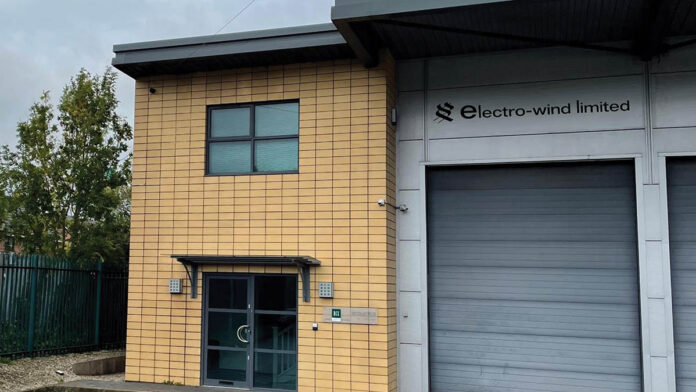
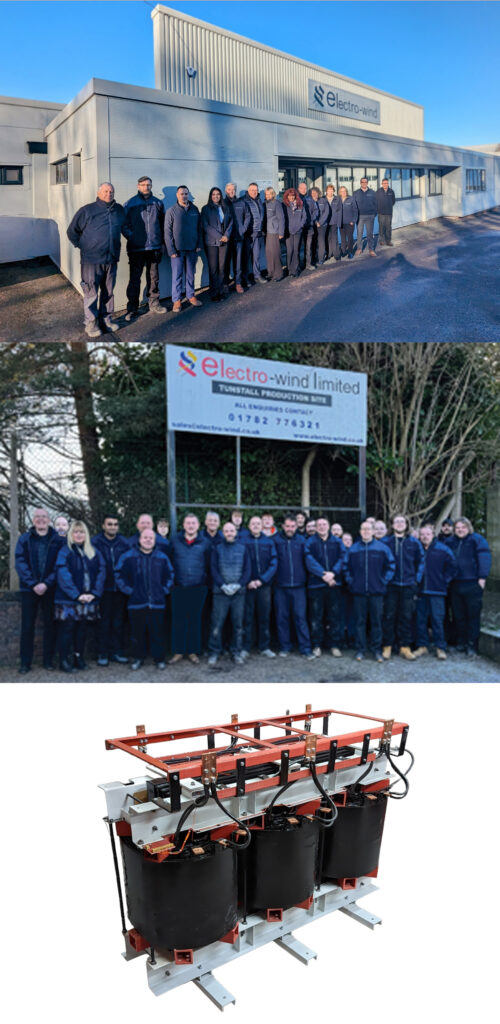
January 2024 is Electro-Wind Ltd.’s 45th Anniversary. Whilst the first generation started and developed the business for 20 years, the next generation, their current Directors have been committed to leading the company’s growth for the last 25 years.
The company has evolved and grown, widening its product range in size and diversity gaining expertise and capability along the way. The advancing product range offers bespoke transformers from 10VA up to 2MVA in addition to AC reactors, DC rectifiers and chokes. Supported by an extensive range of associated products including site electrical accessories.
They have outgrown three different premises and with the new addition in 2024 of a further production unit to house the significant machinery investments the momentum of company shows no sign of slowing down.
People are integral to any business success and the strength and enthusiasm of their determined team is key in driving the organisation to a greater success.
Electro-Wind is committed to their continued growth for the next generation. They would like to thank all of their staff, suppliers, and customers for their continued support. They are looking forward to the next exciting stage in Electro-Wind’s journey.
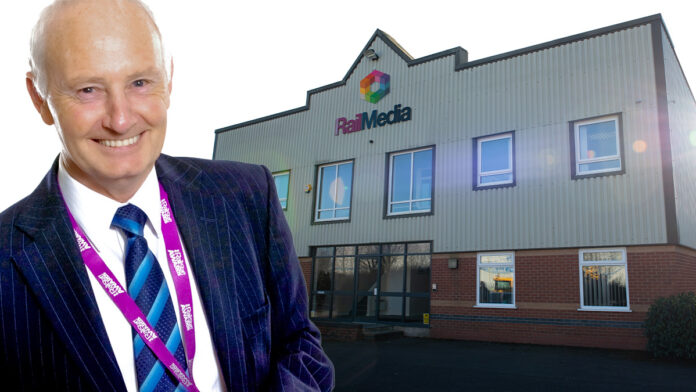
It is with profound sorrow that we share the passing of Tom O’Connor, the esteemed founder of Rail Media, on Sunday 14 January 2024. Tom was not just a leader in the rail industry; he was a luminary whose visionary leadership, unwavering dedication, and commitment to excellence have left an indelible mark. His warm and engaging character was a source of inspiration, and his absence will be deeply felt by many.
A rail industry trailblazer
Tom’s legacy in the rail industry is unparalleled. He was more than just a trailblazer; he was a vocal advocate for the industry. His innovative spirit and relentless passion have not only shaped the trajectory of Rail Media but have also influenced the broader rail landscape. As a pioneer, he set new standards for excellence, becoming a beacon of inspiration for all fortunate enough to work alongside him.
A positive force for good
Tom’s impact extended beyond professional achievements. Notably, he spearheaded the creation of the RailStaff Awards, shining a light on those individuals in our industry who often go overlooked. He also established the website RailwayPeople.com, which has helped many individuals across the Rail industry find new career opportunities. Tom’s commitment to sustainability, safety, and community engagement has left an enduring impact, embodying his belief that success should be coupled with responsibility. His legacy of corporate responsibility and ethical leadership will continue to guide Rail Media in the years ahead.
The family of Tom O’Connor would like to invite all who knew him personally or professionally to join in the celebration of his life. Details can be found below.
Funeral service:
Date: Friday 2 February
Time: 10:45 am
Location: Our Lady of Lourdes Catholic Church, Station Road, Ashby-de-la-Zouch, LE65 2GJ.
Funeral reception:
Date: Friday 2 February
Time: 12:15 pm
Location: Willesley Park Golf Club, Measham Road, Ashby-de-la-Zouch, LE65 2PF.
Tea and coffee will be available from 12:15 pm after the service at the reception, while the family proceeds to the crematorium. A buffet will be provided upon the family’s return to the reception.
Messages of condolence:
We recognise that many of you may wish to share your condolences during this challenging time. Please send your messages to [email protected], and we will ensure they are conveyed to the O’Connor family. We would also like to create a collection of “Memories of Tom O’Connor” to be shared publicly for all to read on the Rail Media website, so please let us know if you have a special memory that you would like to share.
As we mourn the loss of a visionary leader and dear friend, let us join together to celebrate Tom’s extraordinary life. His impact on the rail industry and the countless lives he touched will forever be remembered.
In lieu of flowers, the family kindly requests donations to Alzheimer’s Research UK, a cause close to their hearts.
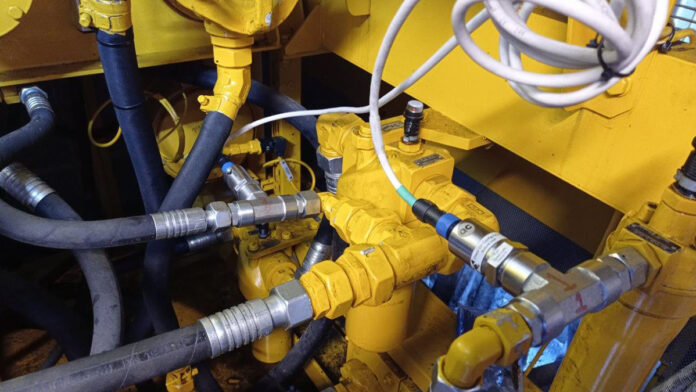
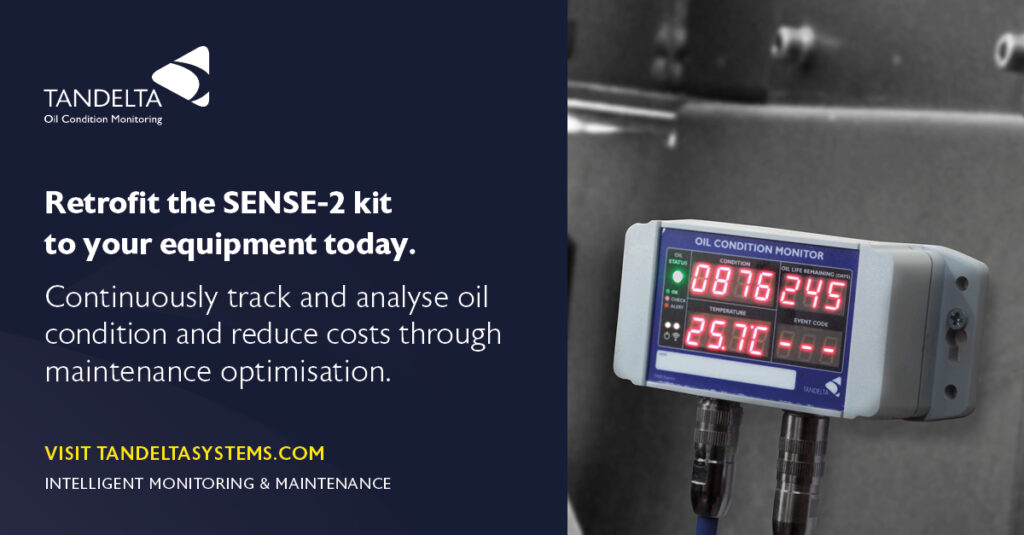
Tan Delta Systems, a pioneer in real-time oil quality monitoring sensors and systems, introduces SENSE-2, a breakthrough oil condition monitoring kit designed to transform maintenance practices in the railway engineering sector. This innovative solution provides real-time data on equipment oil quality, offering a strategic approach to maintenance that significantly reduces operating costs.
SENSE-2 is a plug-and-play system that precisely identifies the end-of-life point for oil, eliminating the reliance on traditional time-based maintenance schedules that often lead to premature oil disposal, wasting up to 50% of its useful life.
In the realm of railway engineering, SENSE-2’s capacity to extend maintenance intervals by monitoring equipment condition in real-time is transformative. It shifts the focus from time-based scheduling to addressing the actual needs of the equipment. This not only enhances sustainability goals by reducing oil consumption by approximately 30% per year but also diminishes parts consumption and prolongs equipment life.
Chris Greenwood, CEO at Tan Delta Systems, stated, “Our SENSE-2 real-time monitoring utilises our world-leading sensor technology and associated analytics to detect issues before damage occurs, identifying subtle changes in equipment condition early. It can be easily fitted to existing equipment including railway applications and is configurable to any oil type.”
Traditional oil analysis methods are expensive and impractical in railway engineering, making SENSE-2 a game-changer. The system ensures access to superior quality information in an easy-to-use format, preventing excessive wear of components, resulting in increased productivity and reduced machine downtime and maintenance costs.
What sets SENSE-2 apart is its real-time capability, employing unique active molecular-level analysis to detect all changes in oil condition and contamination. The Tan Delta sensor provides a full-spectrum holistic (FSH™) oil quality analysis, continuously monitoring the ratio of capacitance and conductance to provide real-time insights.
The molecular analysis, occurring every few seconds, enables accurate tracking of oil degradation and the detection of contamination and early signs of internal equipment problems. This precision allows for the optimisation of maintenance scheduling, reducing costs and minimising downtime.
The SENSE-2 kit includes the OQSx-G2 oil quality sensor, which is also available as a Mobile Oil Tester (MOT) kit, specifically designed for workshops and mobile maintenance teams. The MOT kit enables quick and easy on-site testing of oil from any equipment. Users can simply install the MOT app on any Windows-based laptop, tablet, or PC, connect it to the sensor, collect the sample, and follow the steps in the software to test the sample.
For more information on Tan Delta’s SENSE-2 Display Kit and Tan Delta’s MOT kit and how they can elevate your railway engineering operations, please visit the website.
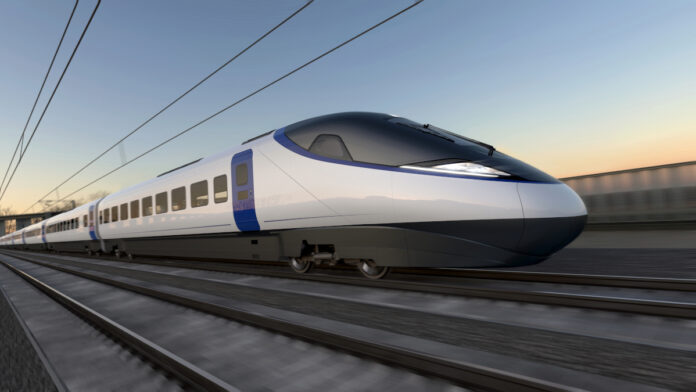
In his statement to Parliament – ‘Zero-emission vehicles, drivers and HS2’ – Transport Minister Mark Harper explained the Network North plan. He explained that the £36 billion that was to be spent on HS2 phase 2 to Manchester is now to be spent on a wide range of activities. This includes diverse, largely undeveloped projects and non-capital expenditure such a capping bus fares and fixing potholes. It does not address key Northern rail capacity problems such as Leeds station and the Castlefield corridor.
This plan claims that what remains of HS2 will almost double the West Coast Main Line’s (WCML) capacity to 250,000 seats per day. This is not credible as it is equivalent to 18 x 589-seat Pendolino trains per hour, running 24 hours a day. When Rail Engineer asked how this figure was derived, the Department for Transport refused to provide an answer.
As we describe in our HS2 update feature, the reality is that phase one will greatly benefit Birmingham, with faster journeys and a huge increase rail capacity to London. As it offers nothing for Northern cities, this is the reverse of levelling-up.
Network North also states that an upgrade of Handsacre Junction will create more train paths. This is also untrue. This ‘upgrade’ merely prevents HS2 trains joining the WCML, further reducing the line’s capacity.
When Harper appeared before the Parliamentary Transport Committee (PTC), its chair asked about WCML capacity north of Handsacre. He wanted to know what is to be done to increase capacity following the cancellation of HS2 phase 2 as the line is now full. Harper seemed to consider that nothing needs be done as he did not accept that the line was full, nor would it be so for some time. He considered that the pandemic had driven people away from rail and they are not returning that fast.
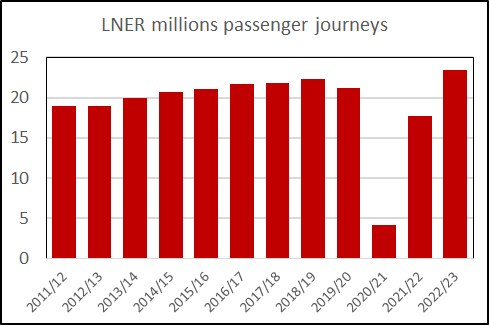
Again, this view does not reflect reality. The WCML is one of Europe’s busiest mixed traffic rail corridors which many in the industry, such as the Rail Freight Group, consider to be full. A Network Rail study undertaken in February 2020 also reached this conclusion. In respect of long distance rail travel, ORR figures show that LNER passenger journeys in 2022/23 were 10% above the pre-pandemic figure.
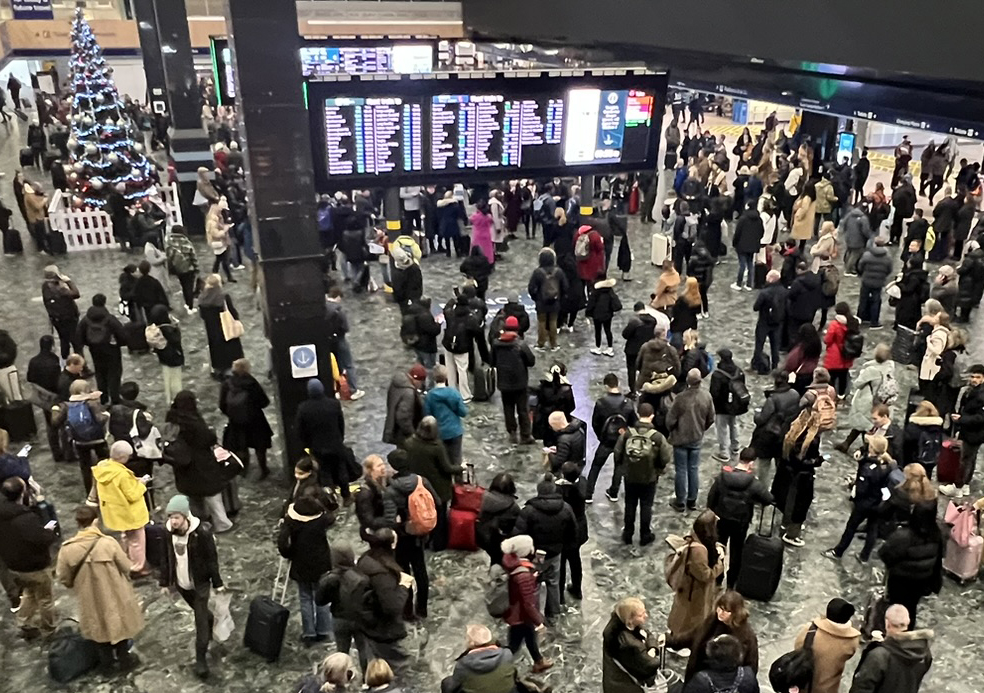
‘Unacceptable’ overcrowding at Euston station is ‘putting people at risk’ October 2023 – ORR issued Network Rail with an improvement notice in respect of crowd management at London Euston station.
Thus, the truth is that there is a very real WCML capacity problem north of Handsacre. Building HS2 phase 2a to Crewe would both resolve this and significantly increase the benefits of phase one with relatively little extra spend.
The above inaccuracies reflect the way Network North was hastily produced by a small number of Ministers and advisers. This contrasts with time and expertise taken to develop HS2 and the 1,300 of hours parliamentary time that scrutinised it. Furthermore, there was no consultation with key bodies such as Network Rail or the National Infrastructure Commission, whose role is to deliver expert advice on long term infrastructure challenges.
Harper advised Parliament that the Government “are backing Britain’s drivers and slamming the brakes on anti-car policies.” He told the PTC that 70% of the £36 billion savings from curtailing HS2 spend is now to be spent on roads and that prioritising roads in this way was very sensible. In contrast, the Welsh and Scottish governments have transport strategies which aim for a shift from car use to more sustainable transport modes.
Harper concluded his HS2 statement by advising that Network North (which includes Plymouth and Kent) is a new vision for transport. Yet this is a vision that fails to address critical rail capacity problems and lacks coherence. Hence, it cannot be an effective way of spending £36 billion unless the aim is to appeal to as many constituencies as possible.
RIA’s annual conference took place less than a month after the HS2 announcement. Clive Kessell was there to report on the mood of the conference and the key issues raised which includes uncertainty about future projects.
Midland Main Line (MML) electrification is currently being extended to just south of Leicester. Peter Stanton describes the various ways to ensure that this is being delivered in an affordable manner. However, as yet the full MML has yet to be authorised despite this being promised in the Integrated Rail Plan two years ago.
We also have two other electrification features: David Fenner explains how the overhead line equipment (OLE) upgrade at Royston was Network Rail’s first zero emissions renewals work, and Paul Darlington describes the new guidance note on managing mining risk during the installation of OLE piles and other construction work.
The project to re-open the Levenmouth branch is now almost complete. This includes timetable development which can be a key part of any enhancement project. On the basis of previous Scottish re-openings, this will transform the local economy. This is what railways do. Certainly, the Docklands Light Railway (DLR) was essential to the development of London’s docklands when it opened 35 years ago. We also explain what’s involved in introducing DLR’s new trains and keeping older trains running until they can be replaced.
Malcolm Dobell has been to Siemen’s Wildenrath test track in Germany to ride on the new London Underground (LU) Piccadilly line stock which will replace the current 1973 stock. His feature describes these trains and explains why they are the first LU units to have vehicles without wheels. He concludes with a stark warning of the consequences of not replacing the 1972 Bakerloo Line stock soon.
Low adhesion presents a significant risk for which there are various mitigation measures. We describe how the RAIB report into the Salisbury Tunnel Junction collision highlights the importance of compliance with these risk controls. The Petteril Bridge Junction derailment was a quite different low adhesion accident which shows the need to develop wagons that can detect non-rotating wheels.
Bob Hazel has been considering how the 15-inch gauge Romney, Hythe, and Dymchurch Railway and the standard-gauge North Norfolk Railway (NNR) heritage railways renew their track. On the NNR three turnouts and associated plain line track were renewed at a cost of £135,000 per turnout. Although not directly comparable, it is worth noting that this compares with around £1 million on mainline infrastructure.
In contrast we consider the renewal of signalling systems commissioned in the 1970s, 80s, and 90s and the extent to which digital signalling is the answer. As Christmas approaches, Rail Engineer hopes that our readers have a great time over the festive season. Our thoughts are also with those who will be working on track doing essential engineering work at this time.
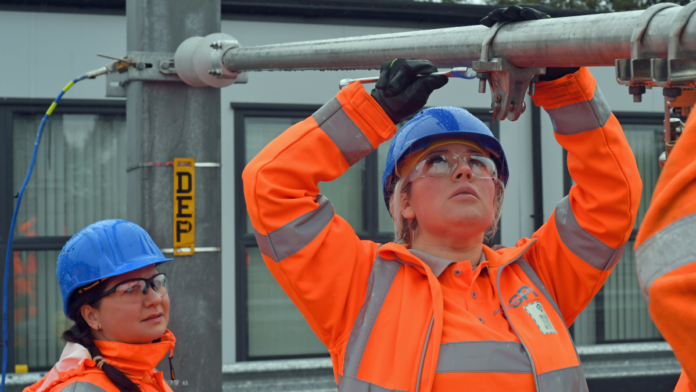
The ‘Practical Electrification Challenge’ aims to give office-based professionals an understanding of electrification, in particular the practicalities of its installation. It is a Permanent Way Institution (PWI) initiative that is, in effect, a hands-on crash course in electrification construction. This year’s challenge took place in October at Network Rail’s electrification training school in Swindon.
It was organised by Garry Keenor of AtkinsRéalis, Simon Skinner of SPL Powerlines, who supplied the tools, and Noel Dolphin of Furrer+Frey, who supplied the material. Noel explained that the intention is to educate those who may take decisions about future electrification projects on the complexities and difficulties of the installation Overhead Line Equipment (OLE). The hope is that this will positively influence future electrification projects and result in better planning, safety, and reduced costs.
The PWI offered this three-day event free of charge to 25 participants who came from the Office of Road and Rail, Transport for Wales, the Rail Safety and Standards Board, and other rail businesses. Participants had diverse occupations which included: finance, researchers, civil engineers, and railway inspectors.
The first day was in the classroom. This included an overview of electrification and its benefits, real world installation, electrification design considerations, historic lessons learnt, and on-site assurance. There was also a powerful safety presentation from Bryant Latham who had survived a 25kV electric shock.
On the second and third days, participants erected a 130-metre wire run from structures spaced about 10 metres apart. To avoid the need to work at height from machines, the contact wire was erected at chest height. Participants were split into three groups to learn about:
Installation of cantilevers.
Measurement of heights and staggers.
Bonding.
Rigging.
Switching and feeding.
Installation of termination brackets.
Registration of cantilevers and droppers.
Installation of in-span insulation and neutral sections.
During two wet days, it took the trainees one and a half days to erect their wire run and half a day to dismantle it. Participants were perhaps glad to return to their dry offices, but no doubt welcomed their opportunity to get close-up, hands-on experience of OLE components. The PWI hopes to run two such events next year, each with 32 participants.