



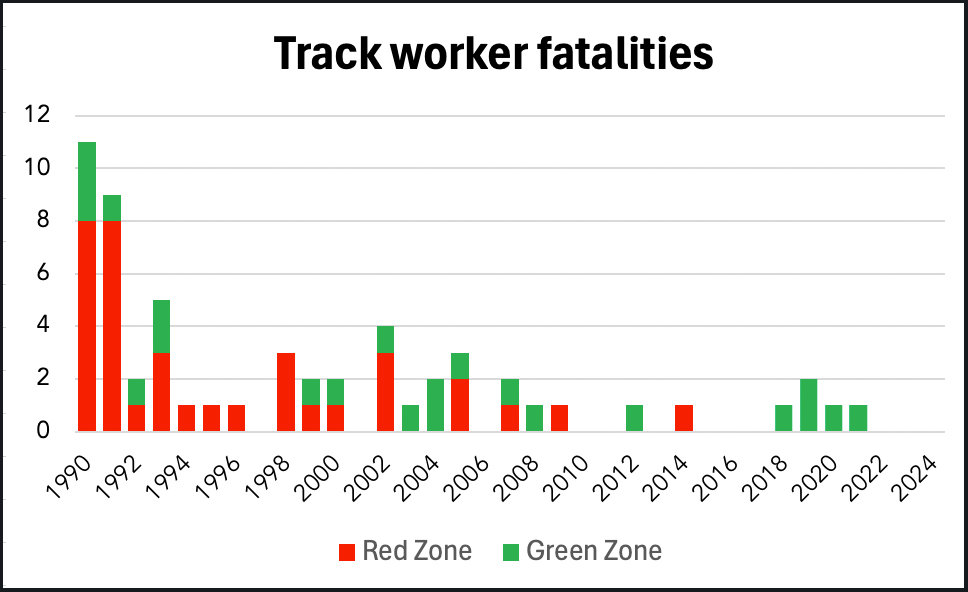
Historically the railway was a particularly dangerous place to work. Thirty-eight railway workers lost their lives 50 years ago while 1990 saw 11 track workers killed on Britain’s railways.
Although these dreadful statistics highlight the hazards associated with working on the railway, in recent times there has been an improvement. Unfortunately, this was not sufficient to prevent five fatalities over the past 10 years. The 2019 Margam accident in which two workers were killed, highlighted various deficiencies which were the subject of Improvement Notices issued by the Office of Rail and Road (ORR).
In response to the fatal Margam accident, Network Rail set up a Safety Task Force. Among other things, this focused on the reduction of Red Zone working and a proactive approach to planning. In its 2022 annual report, the ORR noted that there had been a 98% reduction in red zone unassisted lookout working since July 2019 and that the moving annual average (MAA) of track work related near-misses had fallen by 70%. This report also stated that the ORR was satisfied that Network Rail had complied with the track-worker safety improvement notices issued in July 2019.
But much more needs to be done. An initiative featured in Issue 213 (Mar-April 2025) is the use of Resonate’s Initiate system in Scotland to lock out signals protecting a possession and eliminate the need for protection personnel to go on track to place detonators.
This is a just one initiative of Network Rail’s Safer Trackside Working (STW) project which is being led by Emrys Warriner who invited Rail Engineer to learn more about this programme. The project is looking at existing and emerging technologies and has done much work to understand why track safety incidents happen.
A good example of this is the fair culture flowchart used in incident investigations. This asks questions such as “Are procedures clear and workable?” and “Would others have done the same?” as it is important to determine whether incidents were due to system failings.
Part of the project is devising new safe systems of work methods that keep people out of harm’s way. Just as the virtual elimination of Red Zone working keeps people away from moving trains, there is also a need to minimise the use of possession protection staff. The risk to which such personnel are exposed has been highlighted by various RAIB investigations including a double near miss at Camden when a train passed over a line on which detonator protection was being placed.
T3A & T3D
A key part of the STW project is eliminating the need for protection staff to place detonators as currently specified in the Rule Book. To do so, deviations from the Rule Book have been agreed for the trial use of T3A and T3D possession protection which was respectively piloted in the Selby and Newcastle areas. These are long established forms of protection used for line blockages (for work that does not require train movements).
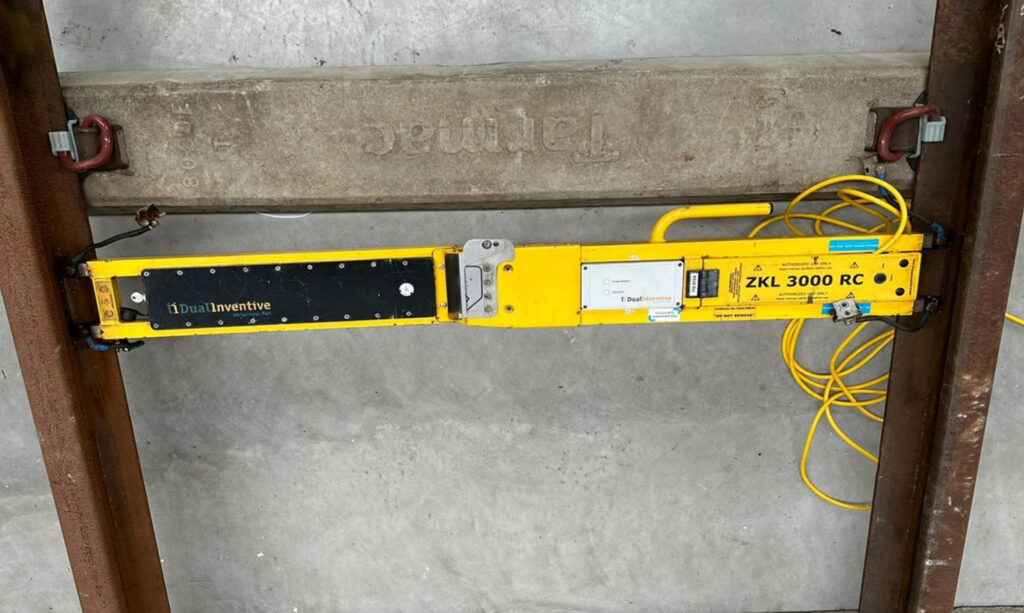
T3D provides secondary protection by disconnecting or restricting the signals protecting the possession so they cannot be inadvertently cleared by the signaller. T3A is a similar form of protection which may use Track Circuit Operating Devices (TCODs). In the trial, the Dual Inventive ZKL 3000 remote controlled TCODs were used, controlled by an app. T3A protection can also be provided by signalling software such as the Scottish Resonate Initiate. The Siemens Westcad aligned CAP / ARK is an equivalent system which is soon to be trialled. Hitachi also proposes the use of their Trackside Guardian system.
Signalling disconnection protection usually requires a control centre technician operating a technician’s terminal.
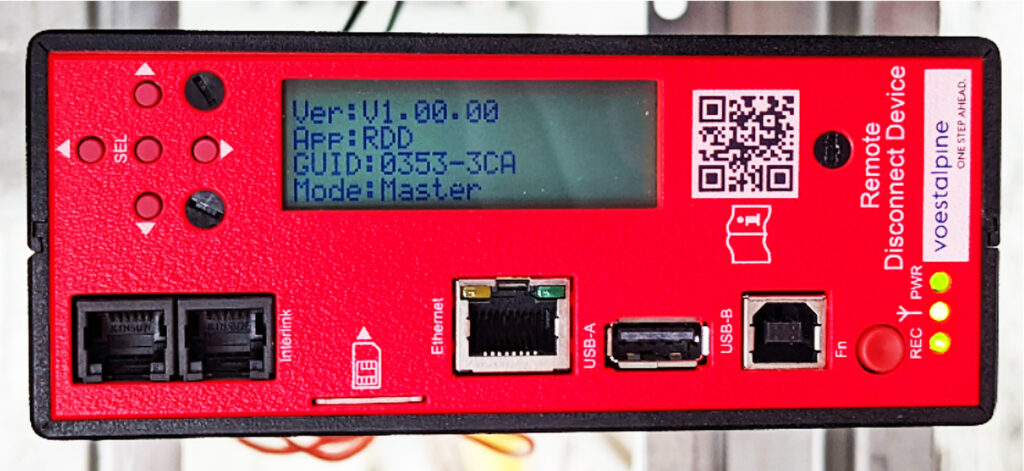
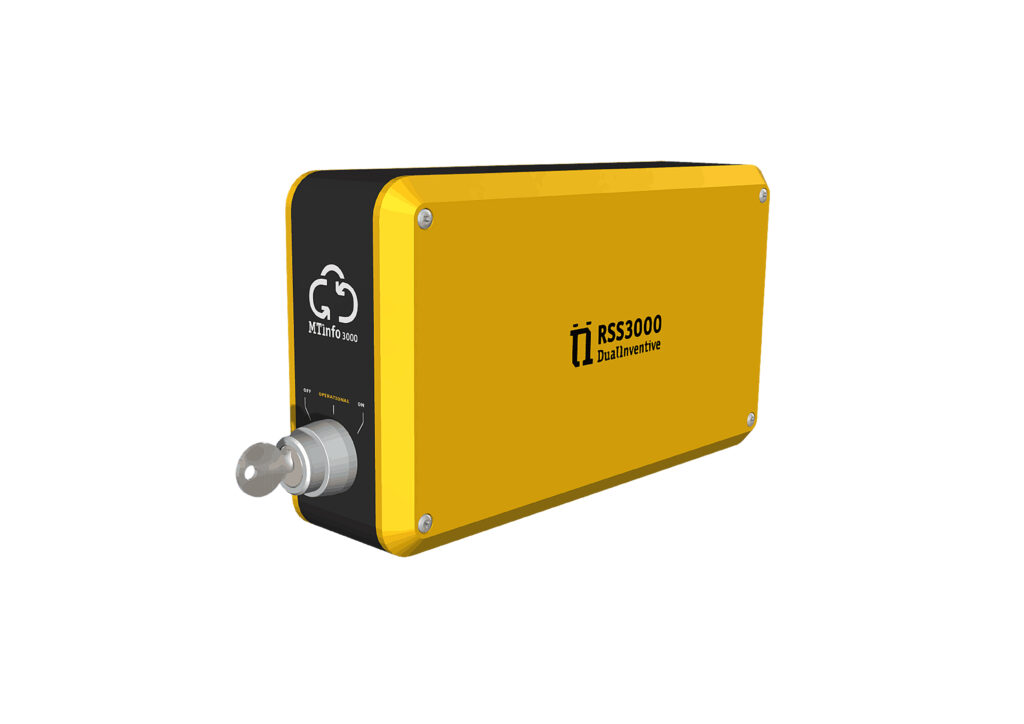
Recently, Voestalpine Signalling UK developed a device known as the Remote Disconnection Device (RDD) and Dual inventive has developed a tool called Remote Safety Switch which is App-activated.
Around 50 of the RDD devices have now been installed at key locations. Dual inventive has developed a Remote Safety Switch (RSS) which has product approval but is yet to become commercially available. These devices typically cost less than £10,000 although the associated signalling design resource is a constraint. Emrys considers that RDDs and RSSs are a “game changer” at locations such as Doncaster station where possessions require around a dozen possession protection staff.
Because of the increase in use of T3A and T3D possessions, new technology is being introduced through the System Review Panel (SRP). Emrys was impressed by the pragmatic approach to risk taken by SRP in this respect as such technologies pose no risk to the railway system and reduce the risk to which possession protection staff are exposed.
He acknowledged that with a wide variety of different signalling systems there needs to be a range of secondary protection arrangements which can be selected as appropriate. For example, his team is developing a solution for use with absolute block signalling. He also acknowledged that possessions across signalling boundaries are problematic.
With these trials proving to be successful, the Rule Book will soon be updated to incorporate the use of T3A and T3D. However, due to the wide variety of signalling systems it is important that the new rules do not specify any specific system.
Currently around 8% of possessions are now being taken with T3A or T3D protection, enabling 6% more work to be done with two thirds of the risk. Each Network Rail region has an implementation plan to minimise the use of possession detonator protection with the aim of having 80% of possessions protected by T3A and T3D by 2029.
The provision of secondary protection which can be easily applied by RDDs, remote controlled TCODs, and signalling software also reduces the time to take line blockages and so offers safety and productivity benefits
Safety apps
Network Rail standard NR/L2/OHS/019 ‘Safety of People working on or near the line’ was first issued in 2002. In addition to specifying the requirement to minimise Red Zone working, this also specified the requirement for individuals to be briefed on SSOW packs. Whilst this was a laudable aim, in practice this resulted in packs of many pages that were difficult to understand.
One of the recommendations of the RAIB report on the fatal Margam accident was that SSOW packs should be simplified and reduced in size so that it only contains information that is relevant to its user. After an extensive engagement exercise, a simplified SSOW pack was specified in issue 12 of the NR/L2/OHS/019 standard in June 2023.
Presentation of the SSOW and other safety-critical possession is now being communicated by app. For example, some Principal Contractors have worked with Ontrac, now owned by Tracsis, to introduce their SWP software. This is a widely used, paperless, digital system for safe work packs for tablet users which works on and offline. Network Rail has worked with consultants EY and Tracsis to develop SWP software known as RailHub which has been successfully rolled out.
Network Rail Wales and Western are promoting the use of the PodFlo (Possession Delivery Flow) app developed by AssetInsights which enables users to intuitively prepare, communicate, and record the required possession forms. This enables Persons in Charge of Possession (PICOP) and Engineering Supervisors (ES) to respectively simultaneously authorise multiple worksites to be set up or multiple Controllers of Site Safety (COSS) to set up SSOWs.

In May, Network Rail issued a preliminary market engagement notice advising suppliers that they wished to procure application-based technology that provides virtual briefings to those managing possession and worksite via mobile devices with the intention of increasing safety and productivity.
Visualising the possession
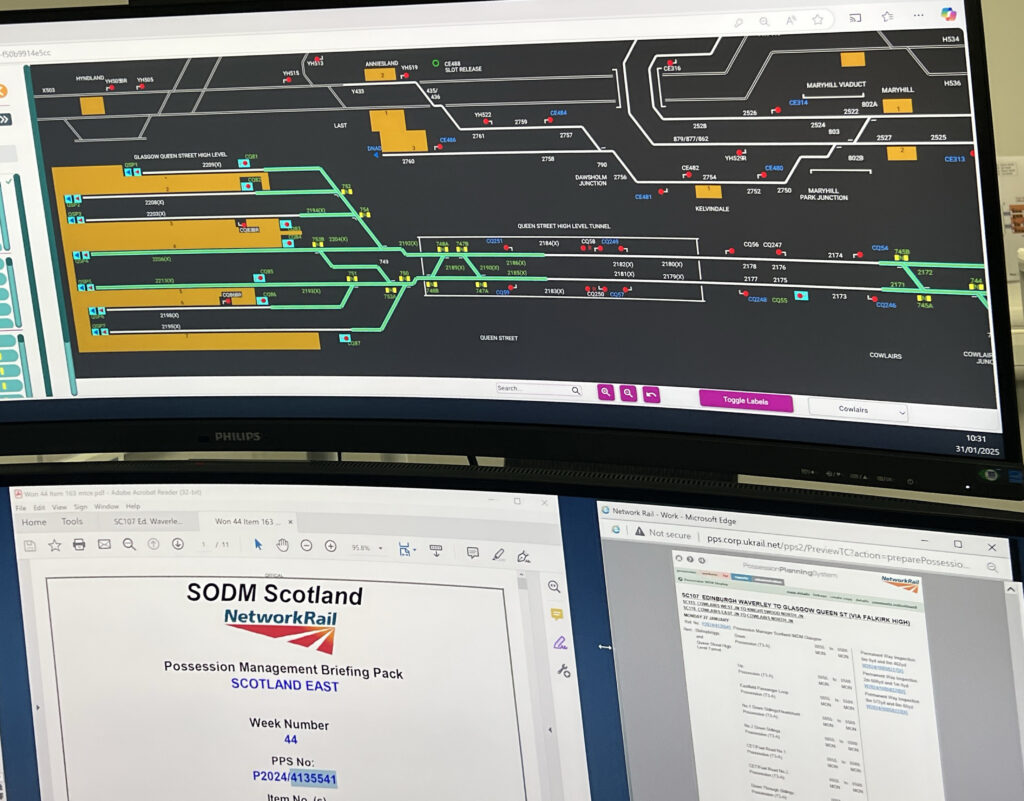
It is important that those managing the work with the possession have a clear overview of all activities taking place. Your writer’s experience of possession management some years ago was that frequently those in charge of possessions and worksites sat in vans with only complex paperwork and their memory to help them visualise the area for which they were responsible. Although there were also examples of good practice – for example, some locations did have a track plan on a markerboard on which magnetic strips indicated markers boards, workgroups, etc.
Since then, technology has moved on and much use is now made of software-driven graphic displays to manage possessions. As an example, the TransPennine Route Upgrade uses eviFile’s Field-to-Control Room system for possession management which provides a real-time view on where these works are against the plan.
The Siemens possession management dashboard also offers real time alerts for events such as workers or plant leaving their safe working limits or a trolley left on the line after a worksite has been given up. This system is the result of a collaboration with geolocation specialist Tended as described below.
Geolocation
The Safety Task Force identified that around 30% of all close calls were due to loss of situational awareness. Hence geolocation systems offer significant benefits but only if they are sufficiently accurate. Conventional GPS typically offers an accuracy of around four metres, though this may be diminished to 10 metres or so in the vicinity of tall buildings and other obstructions. By itself, GPS is therefore not suitable for use within possessions. However, the centimetre-level accuracy required for track protection can be obtained by using GPS supplemented by a Real-time kinematic (RTK) network. This improves the accuracy of the GPS data by the use of data from RTK base stations whose positions are known to a high degree of accuracy. There is UK-wide coverage of signals from RTK base stations that typically provide coverage of up to 20km radius.
As a result, the use of small geolocation devices which have a 12-hour minimum battery life and can be worn or attached to plant and equipment offers significant benefits for work in possessions such as:
- Alerting staff if they enter an unprotection area.
- Monitoring On Track Plant (OTP)movements.
- Monitoring speed limit exceedances.
- Dynamic geo-fences around moving plant.
- Ensuring protection is placed at the correct location.
- Trollies are not left on the line when the worksite is given up.
- Minimising point run through incidents during possessions.
In addition, trials are also now taking place to determine whether physical worksite marker boards can be replaced with virtual worksite marker boards (VWSMBs) after a deviation to the Rule Book was granted for their use. Tended estimates that the wider use of VWSMBs could deliver cost savings of more than £23 million per annum. Furthermore, geolocation provides an opportunity to provide a virtual demarcation of the site of work. This is generally a much smaller part of the worksite where work takes place for which there is no requirement for physical demarcation.
Setting up a geolocation protection system requires the use of a planning dashboard which has accurate geospatial overlays on which safe zones, protection limits, access points, and start and end times are defined. The dashboard will then show the position of all geolocation devices worn by people or attached to plant and equipment. This can be viewed on mobile devices by all those managing the work.
Two companies have had their track safety geolocation approved for use for track work protection. These are Onwave and Tended.
Onwave’ Workers and Assets Location (OWL) system has been used by Alstom during, for example, the major Cambridge re-signalling project. OWL has also been used elsewhere by Network Rail and is widely used by Amey and Balfour Beatty in the construction industry. Onwave is working with Schweizer to improve the effectiveness of their warning systems by providing more accurate location of sensor placement.
Tended has been used on Network Rail’s Wales and Borders Region. The company has also partnered with Siemens Mobility to improve the safety of its trackside teams. As an example, during a 96-hour East Coast Digital Programme blockade, 70 wearables were used by track workers and a further 25 devices provided complete visibility of road-rail plant movements.
A possible future application that does not use GPS/RTK technology is a dynamic virtual wall that uses rail mounted beacons. This could enable plant to operate adjacent to open lines using height, slew, and load control systems for rail plant.
Allowing for human error
Working on the railway adjacent to moving trains and plant is clearly a hazardous environment. Such work can only be done safely if these hazards are effectively controlled. Historically, the industry has relied on rules compliance to keep track workers safe. Yet rules do not always address the practicalities of the work or allow for human error, in particular situational awareness. Mistakes can be made by anyone, no matter how competent.
Hence if track safety accidents are to be eliminated, it is essential that all aspects of the process for protecting this work must be designed to avoid unnecessary exposure to hazards and mitigate against human error. This requires the provision of comprehensible information to those involved, and the use modern technology.
From my discussion with Emrys, it was clear that this is the approach being taken by Network Rail’s Safer Trackside Working project and that this will deliver significant safety benefits. Though this project is primarily concerned with improving safety, improving track protection arrangements will also deliver productivity benefits.
Hence this is an impressive example of the dictum that good safety is good business.
